Can I Buy a Parking Space Outside My House? Public Streets vs Private Land
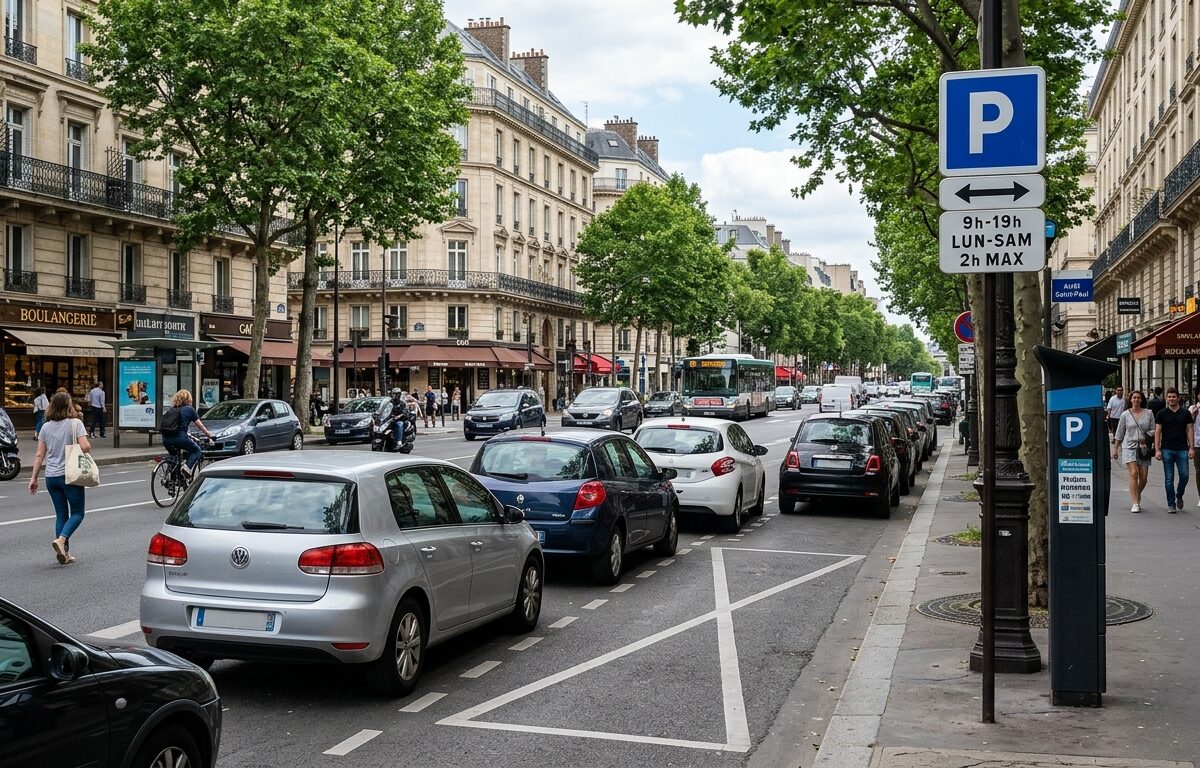
The short version
- Can I buy a parking space outside my house? Not if it’s the public street itself, since that belongs to the local authority or municipality, not to any resident.
- What you can usually do is convert part of your own land, a front garden or verge, into a driveway.
- In the UK that means applying for a dropped kerb, and the full process typically runs into four figures once construction is included.
- Resident permit schemes are the realistic fallback where a driveway isn’t possible.
- Buying an off-street space nearby is often faster and cheaper than trying to claim the street.
Can I buy a parking space outside my house? For the stretch of public road directly in front of your property, the honest answer is no. That strip of tarmac belongs to the local council or municipal government, and no resident, however long they’ve lived there, can purchase exclusive rights to it. What you can do is create your own off-street space on land you actually own, or find an alternative nearby that’s actually for sale or rent.
Can I Buy a Parking Space Outside My House? The Street Isn’t Yours to Buy
Public roads and the parking bays along them are public infrastructure, maintained and controlled by the local authority. That’s true whether you’re in a US city or a UK town, even though the terminology differs, curb versus kerb, sidewalk versus pavement. You can’t purchase a section of it, reserve it permanently, or fence it off, no matter how long you’ve parked there informally. Some cities allow paid reserved parking permits for specific circumstances like a driveway crossing or a disabled bay, but that’s a permit, not ownership, and it can usually be withdrawn if circumstances change.
What You Can Actually Do: Build a Driveway
If you have a front garden, verge or unused strip of land at the front of your property, converting it into a driveway is the real path to a parking space outside your house that’s actually yours. In the US this usually means a curb cut or driveway apron permit from the city. In the UK it means applying for what’s called a dropped kerb, lowering the kerb where your new driveway meets the road so vehicles can cross the pavement safely without damaging it.
Applying for a Dropped Kerb
UK councils require an application and, in most cases, a permit fee separate from the construction cost itself. Based on typical figures published by dropped kerb contractors, the combined cost of the application and the physical work usually falls somewhere between roughly £1,300 and £2,900, depending on the council’s fees and how much construction the crossing requires. Costs vary by local authority and by how far the kerb needs to be lowered, so get a quote from your specific council rather than assuming a national number applies. Councils like Hillingdon publish their own application steps and fees, and most London boroughs follow a broadly similar process, though timelines and inspection requirements differ.
Give yourself several weeks for the application alone. Councils typically inspect the site, check for underground utilities and confirm there’s enough off-street space to actually justify a crossing before approving one, and a rejected application still costs the application fee.
What Can Stop a Dropped Kerb Application
Councils don’t approve every application automatically. Common reasons for refusal include a road that’s too busy or fast for a safe crossing, a protected tree or streetlight in the way, insufficient space behind the kerb to actually park a car clear of the pavement, or a listed building or conservation area restriction on altering the frontage. It’s worth a quick call to your council’s highways team before you pay for detailed drawings, since a five minute conversation can save you the cost of a doomed application.
Permit Parking as the Realistic Alternative
If a driveway isn’t possible, resident permit zones are the fallback most people end up using. A permit doesn’t give you a specific numbered spot outside your door, but it does let you park anywhere within the zone without a daily fee or time limit, which for most residents solves the same underlying problem: reliable, affordable parking close to home. Permit costs and availability vary widely by council and even by specific street, so check with your local authority for the current fee and whether the zone has a waiting list.
Buying or Renting a Space Nearby Instead
If your own land truly can’t support a driveway, an off-street space a short walk away is usually more realistic than fighting for street rights you’ll never get. Private garages, driveways with a spare spot and small lots near residential streets change hands and get rented out regularly, often at a lower cost than the dropped kerb route once you factor in ongoing convenience. It also skips the council application entirely, which matters if you need a solution this month rather than in a few months’ time. See our guide to buying a parking space near you for how to search, or our post on renting one near me if buying isn’t the right move yet.
FAQ
Can I pay my council to reserve the spot outside my house?
Generally no, outside of specific accommodations like a disabled parking bay, which is a permit tied to a need, not a purchase.
Does a dropped kerb guarantee I can park there legally?
Yes, once approved and built, the crossing and the driveway behind it are yours to use, and it’s illegal for anyone else to park across it and block your access.
Can I just paint my own driveway markings without applying first?
No. Doing the work before approval can leave you liable for damage to the pavement or utilities, and most councils will make you restore the kerb at your own cost if you skip the application.
Looking for a real alternative near you rather than a fight with the council? Browse current listings close to home, or contact us and we’ll help you weigh a driveway conversion against buying or renting nearby.
Leave a Reply