RV Parking Space for Rent Near Me: A Winter Storage Checklist
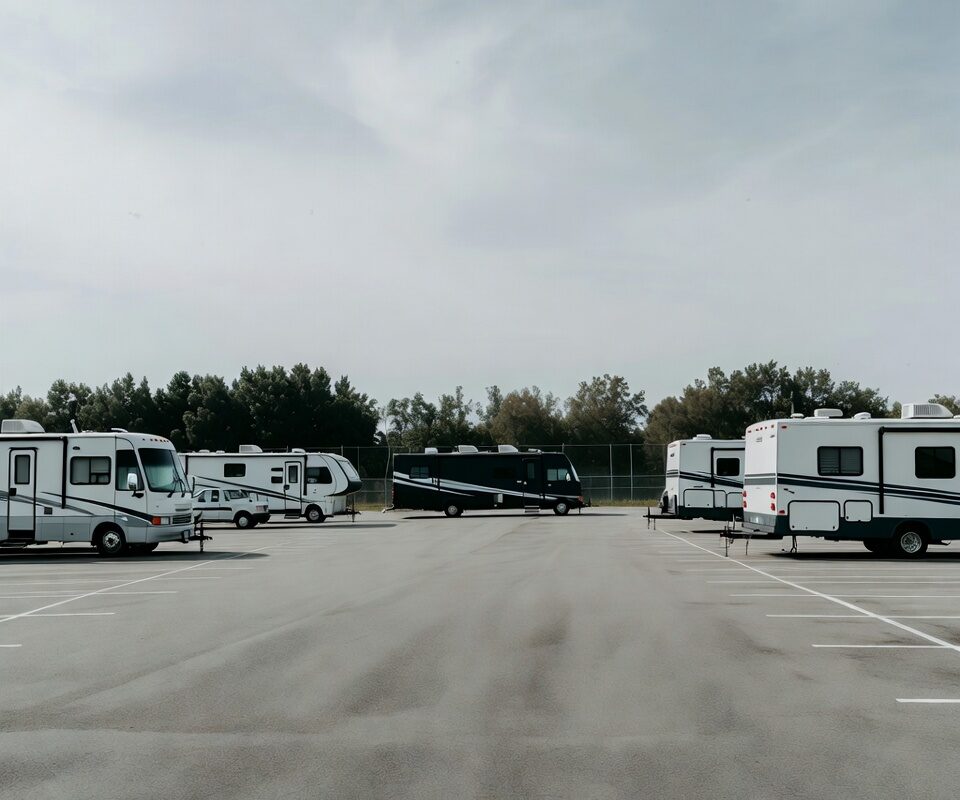
The short version
- An rv parking space for rent near me search should factor in surface type, security and access hours, not just distance from home.
- Indoor storage costs more than an outdoor lot but protects against hail, sun damage and the worst of freeze and thaw cycles.
- Winterizing the plumbing before drop-off matters more than which lot you pick, since a burst pipe ruins a season either way.
- Ask what access looks like if you need the RV mid-winter, since some lots are harder to get into once snow piles up.
Finding an rv parking space for rent near me is only the first step in storing an RV for the winter. The lot itself matters, but so does everything you do to the RV before you hand over the keys or drive away, and skipping that part is what leads to a spring full of expensive surprises.
Finding an RV Parking Space for Rent Near Me
Start your search with a wider radius than you’d use for a daily-use parking spot, since an RV sitting for the winter doesn’t need to be a five-minute drive from home. Widening the radius by even fifteen or twenty minutes often opens up cheaper lots on the edge of town, where land costs less and owners have more room to fit a 30 foot rig without squeezing it between fences. Once you have a short list, call or message each owner directly and ask the questions in this checklist rather than assuming every listing covers the same ground.
Picking the right lot: surface, security and access
A gravel or dirt lot is usually the cheapest option, but it drains poorly and can leave your tires sitting in standing water after a thaw. Paved or well-graded lots cost a bit more and hold up better over a full winter. Fencing, lighting and whether the lot has cameras or an on-site manager all affect how secure your RV is sitting there for months at a time. Check the access hours too; a gate that’s only open during business hours won’t help you if you need to grab something from the RV on a Sunday. Measure your RV’s length and height against the lot’s stated clearance before you commit, since an underestimated overhang or awning can turn into a problem on move-in day.
Indoor versus outdoor storage
Indoor storage, inside a building or under a covered structure, protects against hail, direct sun and the freeze-thaw cycles that stress seals and seams over a winter. It costs more per month than an open lot, and the choice usually comes down to how much your RV is worth and how harsh your winters actually get. For a broader comparison of covered versus open parking, our guide to outdoor parking covers the general tradeoffs that apply here too, and our post on indoor parking goes into what to check in a covered facility.
Winterizing before you drop it off
This is the step that actually protects your RV, and it has nothing to do with which lot you picked. Drain and blow out the fresh water lines, add antifreeze rated for RV plumbing to traps and the water heater bypass, and disconnect the battery or use a maintainer to keep it from draining flat over the winter. Ready.gov’s winter weather guidance is a solid general reference on freeze prep timing if you’re storing somewhere that sees hard freezes. Skipping this step is the single most common reason RV owners end up with a costly repair bill in the spring, regardless of how good the storage lot was.
Tires and the chassis during long-term storage
Tires lose pressure slowly even when the RV isn’t moving, and sitting flat-spotted on cold pavement for months can shorten their life. Inflate to the manufacturer’s recommended pressure before storage and check it again partway through the season if you can get access. Placing the RV on leveling blocks or plywood helps if the lot surface is gravel or dirt, since it keeps tires off direct contact with frozen ground. A breathable cover over the tires alone, if you can’t cover the whole rig, cuts down on sun and ozone damage during any stretch of clear winter weather.
Battery care for the whole season
A battery left connected and unattended will drain over a winter, sometimes enough to freeze and crack the case in a hard freeze once it’s fully discharged. A trickle charger or battery maintainer solves this if the lot has power access, and it’s worth paying a bit more for a space that offers it. If there’s no power on site, disconnect the battery entirely and store it somewhere temperate, like a garage at home, rather than leaving it in the RV to drain slowly over four or five months.
What a monthly rate usually includes
[ADD: current typical monthly rate range for RV storage in your area, indoor vs outdoor]. Ask specifically whether the quoted rate includes access to power for a battery maintainer, since some lots offer it and others don’t. If you tow a smaller trailer alongside the RV, or store one separately, our post on trailer parking covers what to check for that kind of storage specifically. Whatever rate you’re quoted, ask whether it’s locked for the full season or subject to change, since a lot that raises rates mid-winter can catch you off guard if you’ve already unloaded gear and settled in.
RV Winter Storage FAQ
How do I find an rv parking space for rent near me with power access?
Search listings directly for “power” or “electric hookup” in the description, and confirm with the owner before booking, since not every lot advertises it clearly.
Is outdoor storage safe for a full winter?
It can be, especially with a breathable RV cover and proper winterizing, but it exposes the RV to more weather stress than an indoor spot.
Do I need to check on the RV during storage?
A mid-winter check on tire pressure and battery charge is worth the trip if access allows it, even though it isn’t strictly required.
How much does an rv parking space for rent near me typically cost in winter?
It depends heavily on whether the space is indoor, covered or open, and on local land costs. [ADD: current local monthly rate ranges for indoor vs outdoor RV storage]. Call a few lots directly for current pricing rather than relying on an old listing.
Looking for a spot to store your RV this season? Browse RV storage listings near you.
Leave a Reply