Semi Truck Parking Space for Rent: Rules for Tractors and Trailers
The short version
- Most residential zoning codes and HOAs ban parking a semi tractor or trailer at a house, which is exactly why rented truck yards exist.
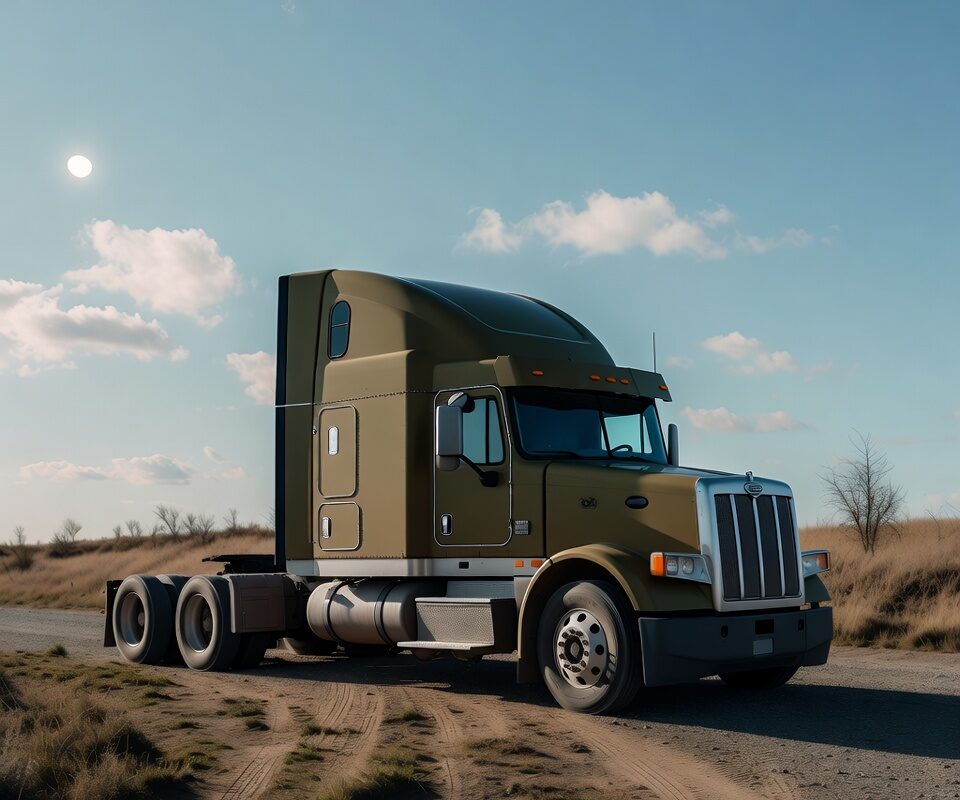
- A bobtail tractor with no trailer attached is usually easier to place than a full tractor-trailer combination, and some rules treat them differently.
- Rented yards typically charge more for a full combination spot than for a tractor-only spot because of the extra length and pavement demands.
- Look for pavement rated for heavy axle loads, not just any open lot, since gravel and thin asphalt break down fast under an 80,000 pound rig.
- Security matters more for a loaded trailer sitting overnight than for an empty one, so ask what’s actually watching the yard.
A semi truck parking space for rent exists mostly because you usually can’t park a tractor-trailer at home. Most cities zone residential streets and driveways for passenger vehicles, and most HOAs go further and write commercial-vehicle bans directly into their covenants, regardless of what the local zoning code technically allows. That’s the whole reason a market for rented truck yards, terminals and overnight lots exists, and it’s worth understanding before you start comparing options.
Why You Usually Can’t Park a Semi at Home
Zoning ordinances commonly define a “commercial vehicle” by weight, length or axle count, and then prohibit overnight parking on residential streets or in front yards. HOAs often go further, banning commercial vehicles from driveways too, even on a homeowner’s own private property. The two rules can stack, so even if your city’s code has some gray area, your HOA’s covenant might close it entirely.
This isn’t a small or shrinking problem. The Federal Highway Administration’s Jason’s Law truck parking survey has documented a persistent, nationwide shortage of legal truck parking for years, which is part of why demand for private semi truck parking space for rent keeps growing alongside public rest areas and truck stops.
Bobtail vs Full Tractor-Trailer: Why It Changes the Search
A bobtail tractor, meaning the cab alone with no trailer attached, is noticeably shorter than a full combination and easier to fit into a smaller lot. Some HOA and zoning rules are written loosely enough that a bobtail slides through where a full rig wouldn’t, though plenty of covenants ban any commercial tractor regardless of whether a trailer is attached, so don’t assume.
A full tractor-trailer combination can run 70 to 75 feet depending on the trailer length, and it needs real turning room to back in and out without a three-point struggle. Because of that extra length, many yards price a combination spot higher than a tractor-only spot, and some offer separate “drop lot” pricing for parking just a trailer while the tractor goes home or out on another run.
What a Legitimate Truck Parking Yard Should Have
- Pavement rated for heavy loads. Cracked residential asphalt or bare gravel ruts and breaks down fast under repeated 80,000 pound loads.
- Enough turning radius to maneuver without scraping fences, poles or parked neighbors.
- Real lighting after dark, not just a single pole at the entrance.
- Fencing, cameras or an attendant, especially if trailers sit loaded.
- Drainage that keeps the lot usable after rain, since a flooded lot is more than an inconvenience for a rig this size.
- A route to and from the lot that can actually handle a semi, not a narrow residential street with tight turns.
Costs and Contract Terms to Expect
Monthly rates for a semi truck parking space for rent vary a lot by region and by whether the price includes just pavement or also security, lighting and power hookups for a reefer unit. As a rule, a full tractor-trailer combination spot costs more per month than a passenger car space, both because of its size and because the pavement underneath it has to hold up to far more weight. Our guide to commercial truck parking costs, security and contracts breaks down what typically goes into that price.
Ask about after-hours access specifically. Owner-operators often roll in late at night after a long run, and a gate that locks at 6pm with no code or fob option isn’t going to work for a real schedule.
Security for a Loaded Trailer
If a trailer sits loaded overnight or over a weekend, cargo theft is a real and specific risk, more so than for an empty rig. Ask directly about lighting, camera coverage, whether the lot is gated, and whether other tenants’ parked trailers block sightlines to yours. It’s also worth a quick check with your insurance carrier about whether cargo coverage holds up while the trailer is parked off your regular terminal, since some policies have conditions around where and how a loaded trailer can be stored.
Semi Truck Parking Space for Rent FAQ
Is renting a semi truck parking space for rent still worth it if my HOA bans commercial vehicles at home?
Yes, that’s essentially the standard workaround. Renting offsite is how most owner-operators and small fleets comply with an HOA or zoning ban while still keeping the truck reasonably close to home.
Can I park just the trailer and take the tractor home?
Often yes, at yards that offer a separate drop lot rate. Just double check whether your HOA’s ban covers the tractor too, since a bobtail is usually still classified as a commercial vehicle even without a trailer attached.
How far from home should I look?
Balance commute effort against price. Yards closer to town tend to cost more, while lots in industrial areas just outside city limits are often cheaper but add drive time to every trip. Our guide to finding a legal spot close to home covers how to weigh that tradeoff.
Find a Yard That Fits Your Rig
Once you know whether you need a bobtail spot, a drop lot or a full combination space, browse available listings or reach out through contact us if you need help sizing up a specific yard. Owner-operators comparing a full checklist before committing should also see our guide on what owner-operators should check before signing, and our post on trailer parking for boat, utility and cargo trailers if you’re storing a trailer without a tractor at all.
Leave a Reply